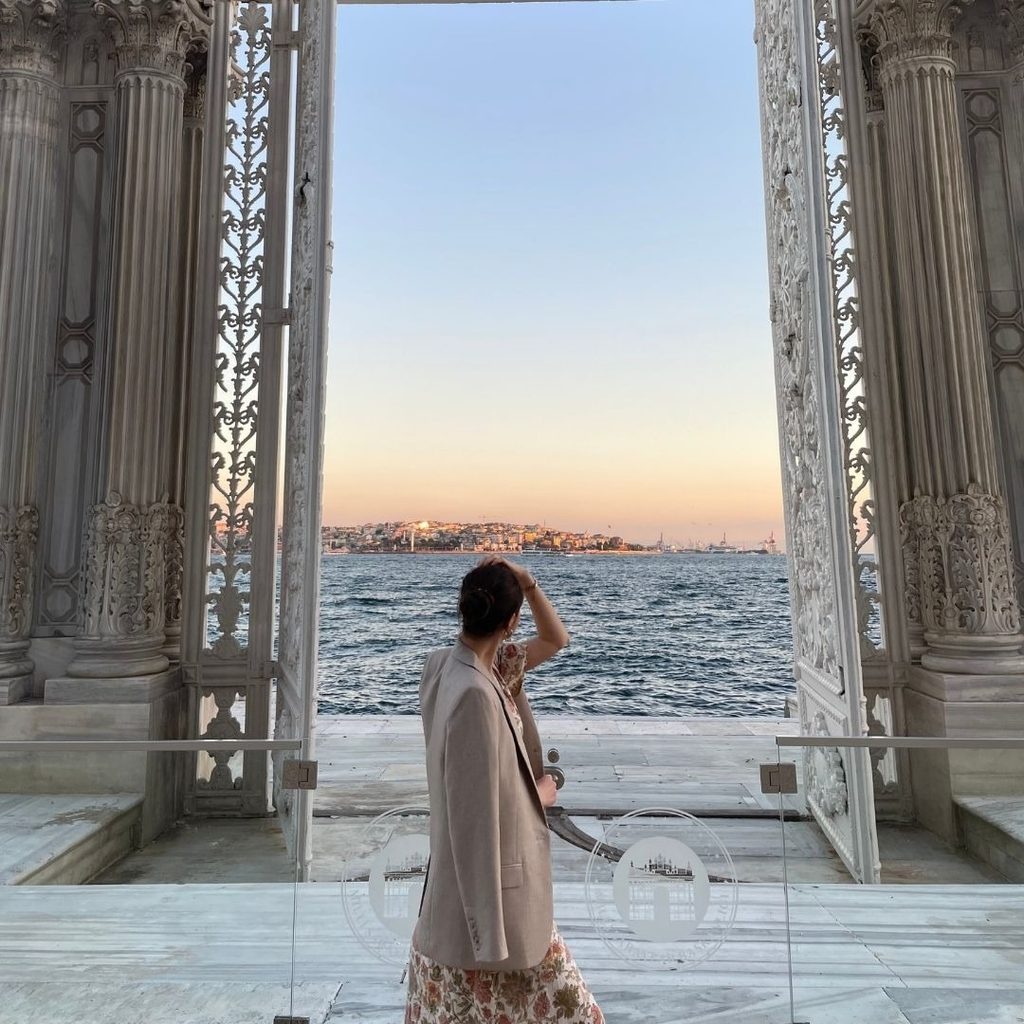
TLDR: Luxury shopping travel has become one of the fastest-growing tourism segments in 2026, combining retail therapy with cultural exploration across the world’s most compelling commercial destinations. From gold souks to designer districts, this guide covers seven destinations where shopping is genuinely worth traveling for, with practical connectivity guidance and insider knowledge that separates informed luxury travelers from uninformed ones.
Luxury shopping travel is not just about spending money. It is about accessing products, experiences, and market knowledge that are genuinely better or more exclusive in specific destinations than anywhere else in the world. The Dubai gold souk experience is fundamentally different from buying gold jewelry anywhere else on earth, not just in price but in selection, expertise, and cultural context. The artisan jewellery workshops of certain Asian cities offer access to craftsmanship and custom creation opportunities that simply do not exist in Western retail environments. Understanding where to go for what, and why specific destinations excel at specific categories, is what separates purposeful luxury shopping travel from aimless spending.
Staying connected while navigating these destinations is non-negotiable for modern shopping travelers. You need real-time price comparison, navigation to specific market addresses, translation support in markets where English is not primary, and the ability to research authenticity and provenance while standing in front of a potential purchase. For travelers moving across multiple Asian destinations on a single shopping-focused itinerary, an eSIM asia plan through Mobimatter covers connectivity across the region’s major markets without requiring separate SIM cards in each country. The convenience of landing in Bangkok, Kuala Lumpur, or Tokyo with data already running means you can navigate directly to your first destination rather than queuing at an airport connectivity kiosk.
Destination 1: Dubai — The World’s Gold Shopping Capital
Answer first: Dubai’s Gold Souk in Deira remains the world’s most significant concentration of gold jewelry retail, with over 380 shops selling an estimated ten tonnes of gold at any given time. The combination of competitive pricing driven by high volume and intense competition, extraordinary selection across styles from Indian to Arabic to Western contemporary, and the cultural experience of negotiating in a traditional covered souk makes Dubai the premier destination for gold jewelry purchases globally.
The Gold Souk experience rewards preparation and patience in equal measure. Prices are quoted per gram based on the daily gold rate plus a making charge that varies by design complexity and craftsmanship. Understanding this pricing structure before you arrive means you can have a genuine conversation about value rather than simply accepting the first quoted price.
The making charge is where the real negotiation happens. The gold rate itself is essentially fixed by the daily market price, and no reputable shop will significantly undercut it. Making charges, however, range from minimal for machine-made pieces to substantial for hand-crafted traditional designs, and understanding what level of making charge reflects fair value for a specific piece requires some market knowledge that you develop by visiting several shops before committing to a purchase.
Dubai’s jewelry market extends well beyond the Gold Souk into the Dubai Mall, Mall of the Emirates, and the growing number of concept jewelry boutiques in the city’s newer retail districts. The combination of traditional souk purchasing with contemporary retail options in climate-controlled malls makes Dubai a complete jewelry shopping destination for travelers with varied preferences and budgets.
Destination 2: Bangkok — Custom Jewelry and Gemstone Trading Hub
Answer first: Bangkok is one of Asia’s most significant gemstone trading hubs, with a concentration of certified gem dealers, custom jewelry workshops, and wholesale markets that give serious jewelry buyers access to sapphires, rubies, emeralds, and other precious stones at prices significantly below Western retail. The city’s custom jewelry creation services are world-class, with skilled goldsmiths who can produce complex designs in 24 to 48 hours.
The Jewelry Trade Center and the surrounding streets of Silom and the gem trading district around Makkasan offer a concentration of wholesale and retail gemstone dealers that is genuinely difficult to find elsewhere in the world. Thailand is one of the world’s major ruby and sapphire processing centers, which means Bangkok dealers have access to stones in volumes and at prices that reflect their position in the global supply chain rather than retail markup chains.
Custom jewelry creation in Bangkok is one of the city’s most compelling offerings for traveling buyers. The combination of skilled craftsmanship, competitive labor costs, and excellent access to gemstones means that a piece created to your specifications in Bangkok often costs 40 to 60 percent less than an equivalent piece at a Western jewelry retailer, with comparable or superior craftsmanship.
 Destination 3: Dubai to Asia — The Luxury Shopping Circuit
Answer first: The Dubai-to-Asia shopping circuit has emerged as one of the most financially and experientially rewarding luxury travel routes in 2026. Starting in Dubai for gold and contemporary luxury brands, then moving through Asia for gemstones, custom jewelry, silk, ceramics, and artisan crafts, creates a shopping itinerary where each destination offers genuinely distinct products that complement rather than duplicate what came before.
The circuit logic is compelling because the product categories available in each destination align naturally with the next stop’s offerings. Dubai provides the gold foundation for a jewelry collection. Bangkok adds the gemstones and custom mounting work. Hong Kong or Singapore provides the fine jewelry retail experience with international certification standards. Japan adds the craft and design dimension that rounds out a complete luxury shopping experience.
For travelers who spend time in Dubai as part of an Asian shopping circuit, having connectivity sorted across all destinations before departure is essential for coordinating between destinations, maintaining communication with custom jewelry workshops during production periods, and navigating unfamiliar retail districts in each new city. Mobimatter’s eSIM dubai plans connect travelers to UAE networks from arrival, with the option to switch to Asian destination plans as the itinerary progresses.
Destination 4: Japan — Where Craft and Design Reach Their Highest Expression
Answer first: Japan’s artisan craft tradition produces objects of extraordinary quality across ceramics, textiles, lacquerware, metalwork, and jewelry that cannot be found at equivalent quality anywhere else in the world. Shopping in Japan is genuinely educational because the products reflect centuries of craft development and cultural values that transform the act of purchasing into an encounter with living cultural history.
Japanese craftsmanship operates on a different scale of attention than most retail shopping experiences prepare buyers for. A single ceramic tea bowl might represent months of the maker’s focused work. A length of hand-woven textile might have taken weeks to produce on a traditional loom. The making charge, to borrow the jewelry industry’s terminology, reflects genuine human time and skill investment that machine production cannot replicate.
The shopping districts of Tokyo, Kyoto, and Kanazawa each specialize in different craft traditions. Tokyo’s Yanaka neighborhood preserves traditional craft shops that have operated for generations. Kyoto’s Nishiki Market and the craft shops of Gion offer access to regional specialties including Nishijin woven textiles and Kiyomizu pottery. Kanazawa, Japan’s craft capital, offers access to Kenroku-en gold leaf products, Kutani porcelain, and Kaga silk that represent the city’s five-hundred-year craft heritage.
Destination 5: India — The Subcontinent’s Incomparable Textile and Jewelry Markets
Answer first: India’s artisan textile and jewelry markets offer a combination of historical depth, regional variety, and price competitiveness that makes the subcontinent one of the most rewarding shopping destinations in the world. From Jaipur’s gem cutting industry to Varanasi’s Banarasi silk weavers to Rajasthan’s block printing workshops, India’s craft traditions are living industries that produce genuinely exceptional products at prices that reflect local economics rather than Western retail margins.
Jaipur’s jewelry market is particularly compelling for buyers interested in colored gemstones. The city is one of the world’s major gemstone cutting centers, with a concentration of cutting workshops and wholesale dealers that gives serious buyers access to the supply chain at a level that is not available in most retail environments. Sapphires, emeralds, rubies, and semi-precious stones are available in volumes and qualities that reflect Jaipur’s position as a global cutting hub.
The textile shopping in cities like Jaipur, Jodhpur, and Varanasi rewards buyers who do research before arrival. Understanding the difference between hand-block-printed fabric and machine-printed imitations, between genuine Banarasi silk and synthetic alternatives, between hand-embroidered products and machine-stitched ones requires some knowledge that makes a significant difference to the value you receive from your purchases.
Destination 6: Hong Kong — Asia’s Premier Fine Jewelry Retail Market
Answer first: Hong Kong’s fine jewelry retail market combines the commercial infrastructure of an international financial center with access to Asian gemstone supply chains that gives buyers the best of both worlds. International certification standards, English-speaking staff, consumer protection frameworks, and transparent pricing make Hong Kong one of the most trustworthy environments for high-value jewelry purchases in Asia, while its position in the supply chain delivers prices that Western equivalents cannot match.
The jewelry shopping experience in Hong Kong benefits from the city’s position as a major international trade hub. Major international auction houses including Sotheby’s and Christie’s hold significant jewelry auctions in Hong Kong that attract global buyers. International jewelry fairs including the Hong Kong International Jewellery Show bring producers from across Asia together in one venue. The combination of permanent retail with these periodic wholesale events creates a jewelry market of extraordinary depth and range.
The consumer protection frameworks in Hong Kong for jewelry purchases are more developed than in many other Asian shopping destinations. Hallmarking requirements, retail licensing, and consumer complaint mechanisms provide a level of purchase confidence that makes Hong Kong appropriate for higher-value transactions that might feel risky in less regulated markets.
 Destination 7: The Technology Connecting Retail and Jewelry Management
Answer first: The jewelry retail industry in 2026 is experiencing a technology transformation that is changing how jewellery businesses manage inventory, pricing, and customer relationships. For jewelry retailers operating across multiple locations or managing complex precious metal and gemstone inventory, purpose-built management software has become as essential as the product itself. Understanding this technology helps both buyers and industry professionals navigate the market more effectively.
For jewellery business owners operating in competitive luxury markets like Dubai, Bangkok, and across Asia, the operational complexity of managing precious metal inventory with daily price fluctuations, stone certification records, custom order production tracking, and multi-branch stock management requires technology built specifically for the jewellery industry rather than adapted from generic retail systems.
This is the operational reality that purpose-built retail jewellery software from specialists like Synergics Solutions addresses directly. The specific requirements of jewellery retail, including making charge calculations, karatage tracking, hallmark compliance documentation, and stone certification management, are built into purpose-designed systems in ways that generic retail management tools cannot replicate. For jewellery retailers competing in the demanding markets described in this guide, the operational efficiency delivered by proper jewellery management software is a genuine competitive advantage that shows up in customer experience and margin management.
Luxury Shopping Destination Comparison 2026
| Destination | Specialty | Best Market | Price Level | Negotiation Expected |
| Dubai | Gold jewelry | Gold Souk Deira | Competitive | Yes |
| Bangkok | Gemstones and custom work | Jewelry Trade Center | Very competitive | Yes |
| Japan | Artisan crafts | Yanaka Tokyo, Nishiki Kyoto | Premium | No |
| India | Textiles and colored gems | Jaipur gem market | Very competitive | Yes |
| Hong Kong | Fine jewelry retail | Central and Tsim Sha Tsui | Competitive | Partial |
| Singapore | Contemporary luxury | Orchard Road | Premium | No |
| Istanbul | Antique jewelry and bazaar | Grand Bazaar | Competitive | Yes |
Frequently Asked Questions
What is the safest way to purchase high-value jewelry while traveling internationally? Purchase from established retailers with clear hallmarking and certification documentation. Request and retain all receipts and certificates. For gemstone purchases, ask for internationally recognized certifications from laboratories like GIA, IGI, or AGL rather than local certifications alone. Pay by credit card where possible for purchase protection. Research the destination country’s consumer protection frameworks for jewelry purchases before making significant purchases.
How do Mobimatter eSIM plans handle connectivity across multiple Asian shopping destinations? Mobimatter’s Asia-regional eSIM plans provide coverage across multiple countries in a single plan, eliminating the need to switch between destination-specific plans when moving between countries within the region. For travelers combining destinations like Thailand, Hong Kong, Japan, and Singapore in a single shopping circuit, a regional plan maintains connectivity throughout without requiring plan switches at each border crossing.
Does Dubai’s Gold Souk price gold differently from international market rates? Gold in Dubai’s souk is priced based on the daily international gold rate in dirhams, which is displayed prominently throughout the souk on electronic rate boards. The gold rate component of any purchase should match or closely approximate the published daily rate. The making charge, which reflects the craftsmanship and design of the specific piece, is where variation and negotiation occur. Comparing making charges between several shops for similar pieces is the most effective strategy for understanding fair value.
What software do serious jewellery retailers use to manage complex inventory? Enterprise-level jewellery retailers in competitive markets use purpose-built jewellery ERP systems that handle the specific requirements of precious metal and gemstone inventory management, including daily rate-linked pricing, karatage and weight tracking, stone certification record management, custom order production tracking, and multi-branch stock visibility. Synergics Solutions’ retail jewellery software is designed specifically for these requirements, reflecting the operational realities of jewellery businesses in demanding markets like Dubai and across Asia.
Is custom jewelry creation in Asia reliable for international buyers? Yes, with appropriate precautions. Working with established workshops that have verifiable customer reviews and clear communication processes produces consistently good outcomes. Providing detailed specifications including reference images, exact dimensions, metal specifications, and stone requirements reduces interpretation gaps. Allowing sufficient production time rather than rushing to complete before your departure creates better quality outcomes. For significant custom commissions, a deposit structure that ties final payment to your satisfaction with the completed piece provides appropriate protection for both parties.